 Ian Chard · Oct 15, 2025 · 3 min read
The Gold Confiscation Question Everyone Gets Wrong
"Can the government confiscate my gold?"
It's the question that comes up in almost every conversation about precious metals investing. And it's the wrong question.
Yes, Executive Order 6102 happened. On April 5, 1933, President Roosevelt required Americans to surrender their gold coins and bullion to the Federal Reserve for $20.67 per ounce. The government immediately revalued gold to $35, pocketing a tidy profit while Americans watched their wealth transfer to Washington. Private gold ownership remained illegal in the United States for the next 41 years.
So the historical precedent exists.
The UK banned private ownership from 1966-1979.
Australia maintained restrictions for 17 years. India's Gold Control Act lasted 22 years. This wasn't just an American phenomenon.
But here's what changed: In 1933, the Federal Reserve Act required 40% gold backing of currency. Roosevelt needed citizens' gold to expand the money supply and fight deflation. It was monetary necessity, not just government greed.
The United States abandoned the gold standard in 1971.
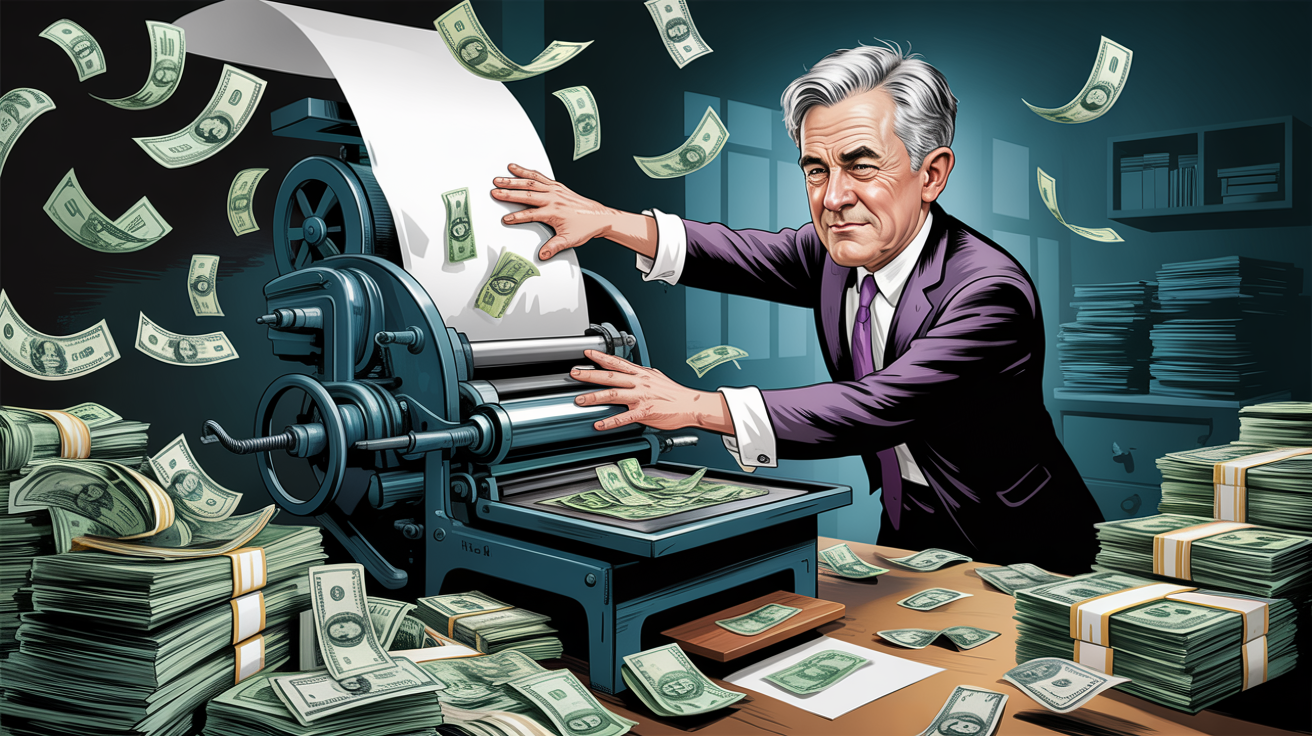
That single fact transforms the entire confiscation calculus. The Federal Reserve doesn't need your gold to print money anymore. They've created $6.6 trillion through quantitative easing without knocking on a single door. Modern monetary tools such as unlimited QE, negative interest rates and digital currency make physical gold confiscation look quaint and inefficient.
Only 10.8% of Americans own physical gold today, compared to widespread ownership in 1933. Enforcement would be nearly impossible. Gold trades 24/7 across global markets. Offshore storage in Switzerland, Singapore, and Austria operates beyond U.S. jurisdiction. The wealthy citizens who own most gold also fund political campaigns. The cost-benefit analysis doesn't work.
Legal barriers have strengthened dramatically since 1935. Congress specifically removed the President's authority to regulate domestic gold during peacetime emergencies in 1977. Modern Supreme Court precedents on property rights are far more protective than the 5-4 decision that barely upheld Roosevelt's order.
Could it happen again under extreme crisis?
Technically yes.
Emergency powers remain on the books.
A severe currency collapse, banking system failure, or sovereign debt default could create political pressure for extraordinary measures. But it would look nothing like 1933.
A modern confiscation would target the easy pickings: gold ETFs with digitally-recorded ownership, retirement accounts holding precious metals, brokerage holdings with full transparency to authorities. The government would force liquidation or conversion with a keystroke, not door-to-door searches. Physical gold in home safes and offshore vaults would largely escape detection, making the whole exercise less attractive.
But here's the insight that matters: The confiscation already happened. It's happening right now.
The U.S. dollar has lost 87-98% of its purchasing power against gold since 1971. This "stealth confiscation" operates continuously, legally, with zero political resistance. It doesn't require emergency declarations or Supreme Court battles. Central banks just print, and your savings slowly evaporate.
The British pound lost 99% of its value against gold. The euro components lost 98.7%. The yen lost 96%. This wealth transfer dwarfs anything Roosevelt accomplished with Executive Order 6102. And it's accelerating.
When precious metals dealers warn about confiscation risk, too many are really selling you expensive "confiscation-proof" numismatic coins at 10-40% premiums over spot price. The collectible exemption from 1933 offers no guarantee of protection today. You're just paying more for the same exposure.
The professional approach addresses real risks: market volatility, theft, excessive dealer premiums, and most importantly, the ongoing currency debasement that erodes purchasing power every single year.
Appropriate gold allocation typically 5-10% for diversification, up to 20% if you're specifically hedging currency risk addresses both the low-probability confiscation scenario and the high-probability inflation scenario happening now.
So when someone asks if the government can confiscate their gold, the honest answer is:
Maybe, under extreme circumstances, but they're already confiscating your wealth through the printing press. That's the threat worth planning for.
The dollar in your bank account is losing value every day. No executive order required.